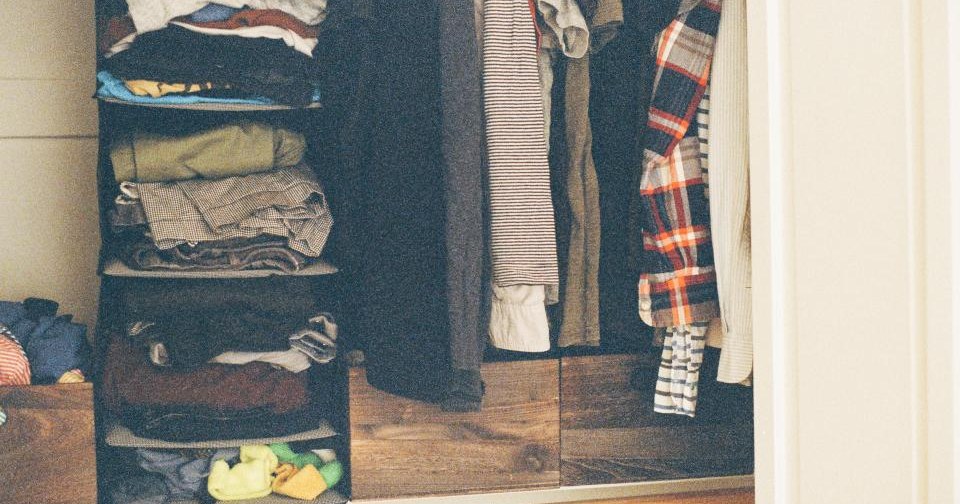
A crowded closet can make every morning feel harder than it needs to be. Clothes get lost, shelves tip over, and things you never use take up the space you need. The good news is that a closet can be organized in a few relaxed steps, with no special equipment and no big project.
Start by Emptying the Closet
It is tempting to tidy a closet while everything stays inside. This rarely works, because you cannot see what you really own. Instead, take everything out and place it on a bed or clean floor. Set aside an hour or two when you will not be interrupted.
While the closet is empty, look closely at the space itself. Wipe down the shelves and the floor, and check the corners for dust, loose items or any sign of dampness. If you notice moisture, musty smells or marks on the walls, make a note to have it looked at, since small leaks are easier to deal with when found early.
Sort Items into Clear Groups
Once everything is out, sort it into simple piles. Keep the groups easy to understand so you can make decisions quickly:
- Keep: items you wear or use often and that are in good shape.
- Donate or share: items that are still useful but no longer fit your life.
- Repair or clean: items that need a small fix before you can use them.
- Recycle or discard: items that are worn out, broken or beyond repair.
- Store elsewhere: items that belong in another room, such as tools, papers or sports gear.
Be kind to yourself during this step. You do not have to be perfect. A helpful question is, “Have I used this in the past year?” If the answer is no, and there is no clear reason to keep it, it may be time to let it go. Seasonal items, such as winter coats, are the exception, since they are only needed part of the year.
If you are unsure about a few things, place them in a single box and write a date on it. If you have not opened the box after a few months, you can usually donate it without looking inside.
Decide What Deserves the Best Spots
Not all closet space is equal. The areas at eye level and within easy reach are the most valuable, so use them for the items you reach for every day. Higher shelves are better for things you need only a few times a year, and the floor is a good place for heavier items or shoes.
Think about how you move through your day. If you grab the same few items each morning, keep them together in one easy spot. If a child needs to reach their own clothes, give them a low rail or a low basket so they can help themselves.
A few simple placement ideas can help:
- Put daily items at eye level and within arm’s reach.
- Store seasonal items on the highest shelf or in the back.
- Keep heavy items low, so they are safe to lift and cannot fall on you.
- Leave a little empty space so you can add or remove items easily.
Safety matters here too. Avoid stacking heavy boxes on high shelves where they could slip. If you need to reach a high shelf, use a stable step stool rather than a chair or a stack of boxes, and never overload a shelf beyond what it is designed to hold.
Use Simple Storage Tools Wisely
You do not need to buy a lot to get good results. Start with what you already have, such as shoe boxes, baskets and spare containers. Once you know what you are keeping, you can decide if any extra storage would truly help.
Some general ideas that work in most closets:
- Use matching hangers so clothes hang evenly and take up less space.
- Fold knit items instead of hanging them, so they keep their shape.
- Use baskets or bins for small items like scarves, socks and belts.
- Add labels so everyone in the household knows where things go.
- Use the inside of the door for lightweight items, as long as the door can still close easily.
Before adding anything, measure your space so that new items fit well. It is also wise to keep walkways and the area around the closet clear. A closet that is organized but blocked by clutter outside the door will still be frustrating to use.
If your closet holds items like cleaning products, batteries or anything that could be harmful to children or pets, keep them well away from clothing and out of reach. A closet is often a convenient place for such items, so take a moment to be sure they are stored safely and kept in their original containers.
Group Similar Things Together
Grouping is the secret that makes a closet easy to maintain. When similar items live in one place, you can find them quickly and you can see at a glance when you have too many.
For hanging clothes, a simple order works well. You might group by type, such as shirts, pants and dresses, and then by color within each group. Many people find that arranging items from light to dark makes the closet look calm and makes outfits easier to put together.
For shelves, keep one type of item on each shelf where you can. Place the things you use most at the front, and keep less-used items behind them. Folded items stand up better when stored on their side, so you can see each one without pulling out the whole stack.
Build Small Habits to Keep It Tidy
An organized closet only stays that way if a few simple habits support it. The goal is not to keep it perfect, but to make it easy to put things back.
Try these routines:
- Return items to their place at the end of each day.
- Keep a small basket for items that need washing or mending.
- When you bring something new in, consider letting one older item go.
- Do a quick five-minute tidy once a week.
- Do a deeper check at the change of each season.
Seasonal changes are a great time to review the closet. Swap out clothes that you will not need for a few months, check for anything that has become worn or damaged, and make sure your storage still fits your needs. Small, regular checks are much easier than a big clear-out once every few years.
Conclusion
Organizing a closet does not need to be a huge task. By emptying the space, sorting items into clear groups, giving daily items the best spots, using simple storage, grouping similar things and building small habits, you can create a closet that works for you. Take it one step at a time, and remember that a little progress is better than none. A tidy closet saves time, reduces stress and makes your home feel calmer every day.
This article is for general educational purposes only and is not a substitute for professional advice, inspections or services. For electrical, gas, structural or other hazardous work, always follow local codes and contact a licensed professional.