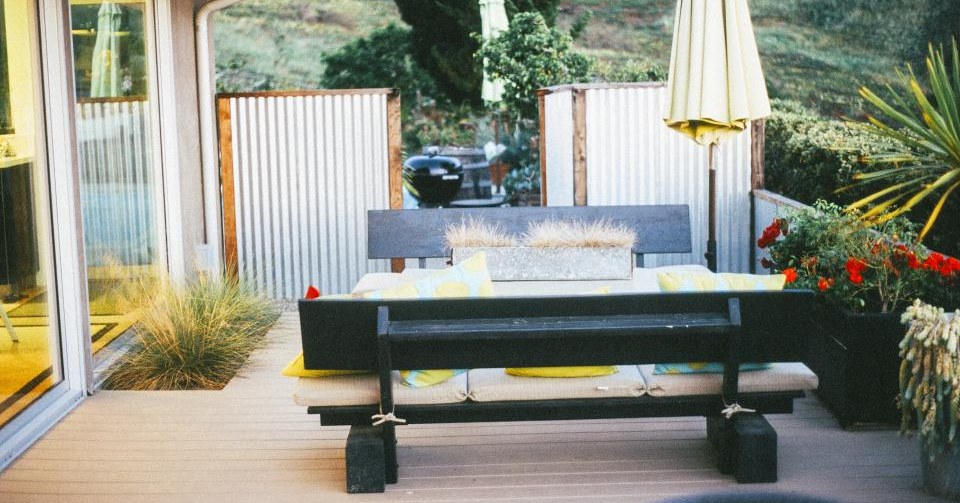
Your deck or patio is where many families relax, cook and play. Giving it a quick safety check every season is one of the easiest ways to prevent falls, injuries and unwelcome surprises. This guide walks you through what to look for and when to ask for professional help.
Why Seasonal Deck and Patio Checks Matter
Outdoor spaces take a beating from sun, rain, snow and everyday use. Small problems often grow slowly, so a simple routine of looking things over each season helps you catch them before someone gets hurt.
A deck or patio that feels solid today may have a loose rail or a soft spot hiding underneath. Regular checks cost you nothing but a little time, and they make the space safer for children, guests and pets.
Try to pick a regular time, such as the start of spring and the end of autumn. Walk the whole area slowly with a notepad, and write down anything that looks odd. A written list makes it easier to remember what to fix and what to ask a professional about.
Start With the Surface Underfoot
The surface is where most trips and slips happen, so start there. Walk across every part of the deck or patio and pay attention to how it feels under your feet.
Look and feel for these warning signs:
- Boards that bounce, flex or feel soft when you step on them
- Cracks, splinters or raised edges that could catch a shoe or bare foot
- Patio pavers or slabs that rock, sink or sit higher than their neighbours
- Nails or screws that have worked their way up and stick out
- Green or black slippery patches where moisture collects
A soft or spongy board can be a sign of rot, and rot is not always visible from above. If you notice one, avoid putting weight on that area and have it looked at by someone qualified.
Keep surfaces clean and free of leaves, which hold water and make walking areas slick. A gentle sweep and a rinse with plain water are often enough for routine upkeep.
Check Railings, Stairs and Edges
Railings and steps protect you from falls, so they deserve extra attention. Gently push and pull on each section of railing. It should feel firm and should not wobble or shift.
Stairs need the same careful look. Check that each step is level and sturdy, that nothing is loose, and that the handrail is steady all the way along.
- Gaps between railing parts should be small enough that a small child cannot slip through
- Posts should feel solid at the base and not move when pushed
- Steps should be the same height as each other, because uneven steps cause trips
- Lighting near stairs should work so that steps are easy to see after dark
If a railing is loose or a step is damaged, keep people away from it until it is repaired. Structural fixes to decks, such as replacing posts or supports, are not a beginner job. This is a good time to call a licensed professional.
Look at the Structure Beneath and Where It Meets the House
What you cannot see easily is often the most important part. If you can safely look underneath your deck, check the supports and framing for dampness, dark stains, cracks or signs of insects.
Pay special attention to the place where the deck attaches to the house. This connection carries a lot of weight, and problems here can be serious. Look for gaps, rust, stains or anything that seems to have moved since your last check.
You should never try to fix or alter the structure yourself. If anything looks wrong, stop using the deck for gatherings and arrange an inspection by a qualified professional. It is far better to be careful than to risk a collapse.
For ground-level patios, look at the soil around the edges. Washed-out soil, large cracks or areas that slope toward the house can point to drainage problems that are worth sorting out.
Keep Furniture, Grills and Heaters Safe
Outdoor furniture and equipment can create hazards too. Wobbly chairs, cracked table legs and torn umbrellas are all easy to overlook until something goes wrong.
A few simple habits help:
- Test chairs and benches by sitting on them before guests arrive
- Anchor or close umbrellas when the wind picks up
- Keep grills well away from railings, siding, overhanging branches and the house wall
- Never leave a lit grill, fire feature or heater unattended
- Keep children and pets at a safe distance from anything hot
- Store fuel containers outdoors as directed by their instructions, away from heat and out of reach of children
After using a grill or fire feature, let it cool fully before covering or moving it. Always follow the maker’s instructions that came with your equipment, and keep a way to put out a fire close at hand.
Prepare for Weather and Night-Time Use
Weather can change an outdoor space quickly. Before storms, bring in or secure light furniture, cushions and decorations so they do not become flying objects. Clear leaves from drains and low spots so rain can run away.
In cold weather, ice is the main concern. Clear snow promptly and keep walkways and steps as free from ice as you can, using a method that suits your surface. Take extra care on steps and ramps.
Good lighting makes a real difference to safety. Make sure paths, steps and doorways are well lit, and replace burnt-out bulbs promptly. Light that comes on when you step outside can help in the evenings. Any electrical work for outdoor lighting or outlets should be done by a licensed electrician, and you should keep cords away from wet areas.
Conclusion
A few minutes of attention each season can keep your deck and patio safe and enjoyable all year. Check the surface, railings, stairs, structure, furniture and lighting, and write down anything that concerns you.
Fix small and simple things promptly, like sweeping, tightening a chair or clearing leaves. For anything structural, electrical or hazardous, step back and call a licensed professional. Making this a regular habit helps everyone enjoy the outdoors with greater peace of mind.
This article is for general educational purposes only and is not a substitute for professional advice, inspections or services. For electrical, gas, structural or other hazardous work, always follow local codes and contact a licensed professional.