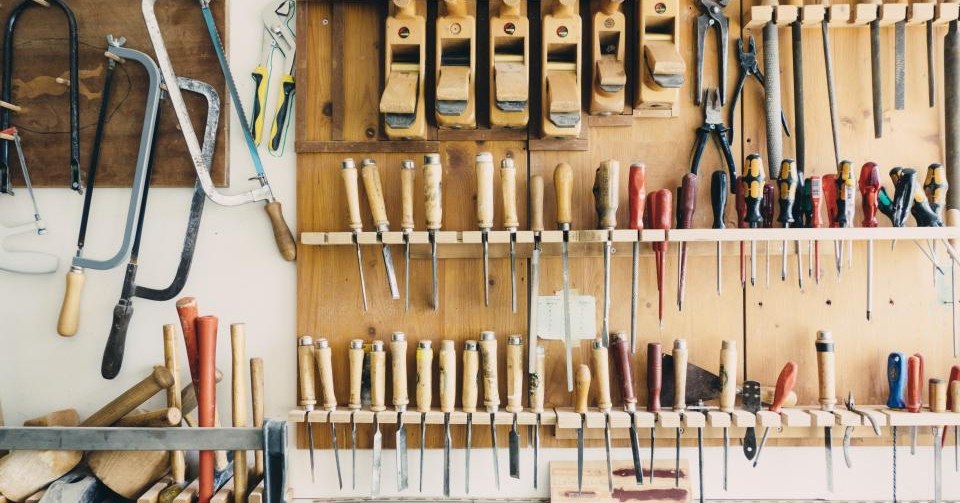
A few good hand tools can handle most small jobs around the home, from tightening a loose handle to hanging a shelf. You do not need a garage full of equipment to get started. This guide explains how to build a simple, sensible tool kit one step at a time.
Start With the Jobs You Actually Do
The best tool kit is shaped by your home and your habits. Before you buy or borrow anything, think about the small tasks that came up over the past year. Maybe a cabinet door sagged, a picture needed hanging, or a piece of furniture arrived in a flat box.
Write a short list of those tasks. Then match each one to the basic tool that would have made it easier. This keeps your kit small, useful and affordable to build over time, because every item has a clear purpose.
It also helps to think about where you live. Renters may only need tools for furniture assembly and light repairs, while homeowners might add a few extras for yard and garden care.
The Core Hand Tools Most Beginners Need
A starter kit does not have to be complicated. These everyday tools cover a surprising number of household tasks:
- A claw hammer for driving small nails and gently removing bent ones.
- Screwdrivers in a few common sizes, including flat and cross-head types.
- Adjustable pliers for gripping, holding and bending small items.
- An adjustable wrench for nuts and bolts of different sizes.
- A tape measure for checking sizes before you cut, buy or hang anything.
- A spirit level so shelves and frames sit straight.
- A utility knife with a retractable blade for opening boxes and trimming materials.
- A set of hex keys for flat-pack furniture.
- A small hand saw for simple cutting jobs.
Choose tools that feel comfortable in your hand. A good grip and a sensible weight matter more than a long list of features, especially when you are still learning.
Add Safety Gear Before Anything Else
Safety equipment is just as important as the tools themselves. Many small injuries happen because someone skipped a simple precaution. Put these items in your kit from day one:
- Safety glasses to protect your eyes from dust, splinters and flying fragments.
- Work gloves for handling rough or splintery materials.
- A dust mask when sanding or working in dusty spaces.
- Hearing protection if you use anything loud.
- A basic first aid kit stored close to your tools.
Wear eye protection whenever you hammer, cut, drill or sand. It takes a few seconds and can prevent a serious injury. Also keep your work area well lit, tidy and free of tripping hazards, and keep children and pets well away while you work.
Choose Quality Over Quantity
It can be tempting to buy a large all-in-one set because it looks like good value. In practice, many beginners end up with plenty of pieces they never use. A smaller number of well-made tools usually serves you better.
When you look at a tool, check a few simple things:
- Does the handle feel secure and comfortable?
- Do the moving parts work smoothly without wobbling?
- Are the markings, such as sizes or measurement lines, easy to read?
- Does it feel solid rather than flimsy?
Borrowing or sharing a rarely used tool with a neighbor or family member can also be a smart choice. If you only need something once, it may not be worth owning.
Keep Your Tools Organized and in Good Shape
Tools last longer and work better when they are cared for. A little routine keeps them ready whenever a small job appears.
- Wipe tools clean and dry after use to help prevent rust.
- Store them in a toolbox, a drawer organizer or on a wall rack so you can see everything at a glance.
- Return each tool to the same spot after every job.
- Keep sharp tools covered or stored safely, out of reach of children.
- Check handles and blades regularly, and replace anything cracked or badly worn.
A tidy kit also saves time. When you know exactly where the tape measure and screwdrivers live, a five-minute fix really does stay a five-minute fix.
Store your tools somewhere dry and away from damp areas. Moisture is one of the main reasons metal tools rust and wear out early.
Know When a Job Is Beyond a DIY Project
Good DIYers know their limits. Hand tools are wonderful for simple tasks, but some jobs carry real risks and should be left to a licensed professional.
Call a professional if the task involves any of the following:
- Electrical wiring, outlets, switches or the main panel.
- Gas appliances or gas lines.
- Roof repairs or work at serious heights.
- Changes to walls that may hold up the house.
- Signs of water damage, mold or structural cracks you do not understand.
If you are unsure whether a job is safe, that uncertainty is your answer. Stop, ask for advice and let a qualified person take over. Paying attention to your limits is part of being skilled.
Build Your Skills Slowly
Confidence with tools grows through practice. Start with low-risk projects, such as assembling a small piece of furniture, hanging a lightweight picture or tightening loose fittings. Read instructions carefully, measure twice and take your time.
Each small success teaches you something new. Over time, you will learn which tools you reach for most and which gaps in your kit are worth filling. Let your real needs guide each addition rather than buying everything at once.
Conclusion
A basic tool kit does not need to be big or expensive-looking to be useful. Start with the essentials, add safety gear, choose comfortable and well-made tools, and keep everything organized and dry. Match your purchases to the jobs you really do, and grow the kit as your skills grow.
Most importantly, respect the limits of DIY. Simple repairs are a great way to care for your home, while electrical, gas and structural work belongs with licensed professionals. With the right habits, your tools will help keep your home comfortable and running smoothly for years.
This article is for general educational purposes only and is not a substitute for professional advice, inspections or services. For electrical, gas, structural or other hazardous work, always follow local codes and contact a licensed professional.