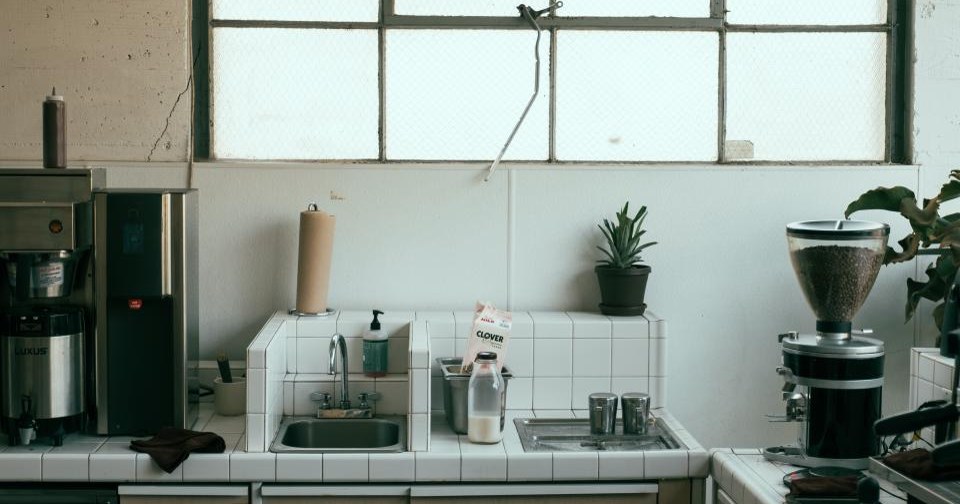
Most plumbing trouble starts small. A slow drip, a faint smell or a damp patch can look harmless, yet each one is a clue that something needs attention. Learning to notice these early signs can help you avoid bigger messes later.
This guide walks through simple checks any homeowner or renter can do in a few minutes, and explains when it is time to call a licensed plumber.
Why Small Plumbing Signs Matter
Water is patient. A tiny leak that goes unnoticed can soak into cabinets, floors and walls over weeks or months. Moisture can lead to warped wood, peeling paint and mold growth, which are far more work to fix than the original problem.
Checking your plumbing regularly also helps you learn what is normal in your home. When you know how your taps usually sound and how your drains usually behave, changes are much easier to spot.
Look Under Sinks and Around Fixtures
The cabinet under a kitchen or bathroom sink is one of the best places to start. Pipes, connections and shut-off valves are close together here, and leaks often show up first.
Once a month, empty the space if you need to, shine a flashlight inside and check for the following:
- Water stains, dark patches or a soft, swollen cabinet floor
- Drops of water on pipes or connections
- Rust, white crusty buildup or green marks on metal parts
- A musty smell that does not go away
- Pipes or hoses that look cracked, bent or worn
Run the water for a minute while you look. Some leaks only appear when water is flowing. If you find a small drip, place a bowl under it and plan to have it checked soon.
Listen and Look at Your Taps and Toilets
A dripping tap is more than an annoyance. It wastes water and can point to a worn part inside. Check that every tap turns off fully and that the water stops completely afterwards.
Toilets deserve a quick check too. A toilet that runs on and off by itself, or keeps refilling long after a flush, may have a worn part inside the tank. Here is a simple way to check for a quiet leak:
- Lift the tank lid and add a few drops of food coloring to the tank water.
- Wait about fifteen minutes without flushing.
- Look in the bowl. If color has appeared, water is slipping through when it should not be.
Also notice how your water looks and sounds. Banging pipes, whistling noises or water that comes out brown or cloudy are worth mentioning to a plumber, especially if they keep happening.
Watch Your Drains
Drains usually give warning signs before they block completely. Water that drains more slowly than it used to, gurgling sounds or bad smells coming up from a drain are all early hints.
You can reduce problems with a few easy habits:
- Use a drain strainer in showers, tubs and kitchen sinks to catch hair and food scraps.
- Do not pour grease or cooking oil down the kitchen sink. Let it cool and place it in the trash.
- Only flush toilet paper and human waste. Wipes, even ones labeled flushable, can cause blockages.
- Flush drains now and then with hot tap water to help move buildup along.
If several drains in the house are slow at the same time, or water backs up in a tub or floor drain when you use a washing machine or toilet, the problem may be deeper in the main line. That is a job for a professional.
Check Walls, Ceilings and Floors
Not every leak is visible from the fixture itself. Pipes run inside walls, under floors and above ceilings, so the first sign is often on a surface nearby.
Take a walk through your home and look for:
- Yellow, brown or gray stains on ceilings or walls
- Paint or wallpaper that bubbles, peels or cracks
- Floors that feel soft, look warped or have lifting edges
- Damp or musty smells, especially in basements, closets or bathrooms
- Patches of mold, even small ones
Pay extra attention to the areas around bathtubs, showers, washing machines, dishwashers and water heaters. If you see a stain, touch it gently. A damp or cool feeling suggests water may still be present.
Know Your Shut-Off Valves
Every household member should know where the main water shut-off is and how to close it. In an emergency, turning off the water quickly can limit damage while you wait for help. Many fixtures also have their own small shut-off valves under the sink or behind the toilet.
Take a few minutes to find these valves and make sure they turn easily. Never force a valve that is stuck or heavily corroded. Instead, mention it to a plumber so it can be replaced before you need it. A short note on the fridge or inside a utility cupboard showing where the main valve is can help guests, renters and family members act fast.
If you are renting, report leaks, stains and drain problems to your landlord or property manager in writing as soon as you notice them, and keep a copy for your records.
When to Call a Professional
Simple checks are a great way to catch problems, but fixing many plumbing issues is best left to a licensed plumber. Call a professional if you notice any of the following:
- A leak you cannot stop or trace to its source
- Water stains that keep growing or come back after drying
- Low water pressure throughout the house
- Repeated clogs or sewage smells
- Any issue involving a gas line or gas-powered water heater
- Water near electrical outlets, panels or appliances
If you smell gas, leave the building and contact your gas provider or emergency services from a safe place. If water is near anything electrical, stay away and avoid touching switches or outlets until a professional has made the area safe.
Conclusion
Small plumbing problems are much easier to handle when you catch them early. A quick monthly look under the sinks, a check of taps and toilets, a little attention to your drains and a walk past walls and ceilings can reveal trouble before it grows.
Know where your shut-off valves are, keep an eye on changes, and call a licensed plumber when something is beyond a simple check. A few minutes of attention now can protect your home and keep everyday spaces dry and comfortable.
This article is for general educational purposes only and is not a substitute for professional advice, inspections or services. For electrical, gas, structural or other hazardous work, always follow local codes and contact a licensed professional.